Finance
Finance Beginner Guide: Markets, Trading & Regulation (2026)
- Share
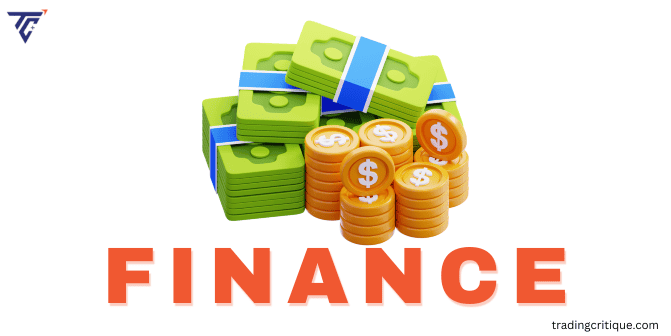
In the field of finance, there is an important aspect of our everyday life that significantly impacts our earnings, spending, saving, and investing. It is the maintenance of our household expenses and the investment in the financial markets of the world.
Before choosing any broker or platform, understanding regulation and risk is essential. A regulation-first approach helps protect your money and avoid common mistakes. This guide explains finance in a simple, safety-first way, so you can build your knowledge with clarity and confidence.
What is finance?
Finance is the management of money. Finance includes the money we earn, save, invest, and spend. Finance covers all the activities from day-to-day expenses to investing in the world’s financial systems. Finance is the way individuals or groups of organizations can make informed decisions on the use of money legally.
Why does finance matter in daily life?
Finance is extremely important in our daily lives. It may be related to the ways of spending money, saving money, or paying debts. If people do not have enough knowledge about finance, they may face a number of problems in their lives.
How do financial systems support the global economy?
Financial systems help to sustain a global economy by allowing businesses to secure capital, countries to secure infrastructure funding, and individuals to participate in economic growth. Banks and Stock exchanges cooperate with financial institutions to provide liquidity and stability to a growing economy.
What are the types of market finance?
There are three types of finance as follows:
- Personal finance: Managing income, expenditure, savings, and investments.
- Corporate finance: Financial activities carried out by business firms.
- Market finance: Buying and selling of financial instruments like Stocks, Currencies, etc.
If you need to know more about personal finance? Read our detailed review on what personal finance is and why it is important.
How Financial Markets Work
Financial markets are platforms where buyers and sellers trade financial assets. Each market serves a specific purpose and plays a unique role in the economy. The types of financial markets are listed below:
Stock market
The Stock market allows companies to raise capital by issuing shares, while investors buy ownership stakes in those companies. Explore the related guide on investing.
Forex market
Forex trading is a platform for trading currencies across the world. It is the largest and most liquid market.
Bond market
The Bond market is a platform for trading debts, which organizations use as a source of finance. The investors, in turn, get interest.
Commodity market
The commodity market trades physical products, which can include gold, oil, and agricultural products. The products can be used as a hedge against inflation.
Cryptocurrency market
The Cryptocurrency market is a market that uses blockchain technology to provide a platform for trading. Learn more from our Crypto guide.
Basics of personal finance
Personal finance is the management of money to ensure the present as well as the future is well taken care of. This is the core idea behind personal finance. This discipline is essential to help you remain independent.
- To begin with, you should be aware of how you earn money and how you spend it. This will help you to look for ways to save money.
- Next is the saving aspect. Saving money is always a good idea. Although the amounts you can save may be small, they can be very helpful to you in the future.
- Then comes the aspect of managing debts properly. This is also a very good idea.
Finally, you should be disciplined when handling money. This is the final aspect of personal finance. Money is not the issue here, the issue is how you manage the money you have.
Investing and wealth building
Investing allows you to create wealth by ensuring your money works for you. This is different from keeping your money idle, and instead, you invest your money in assets that have the potential to appreciate.
How to invest wisely?
- Invest for the long term
- Reinvest your profits
- Diversify your funds
- Invest based on your goals
Common types of investments
- Stocks
- ETFs
- Bonds
- Mutual Funds
- Real Estate
Trading vs investing in financial markets
Trading involves attempting to benefit from price movements, but it carries significant risk and is not suitable for all investors. This is more active and faster compared to investing. Here is the comparison of trading vs investing.
Aspect | Trading | Investing |
Time period | Short-term | Long term |
Goal | Quick profits | Steady wealth growth |
Strategy | Price movements and charts | Fundamentals, long-term |
Risk level | Higher | Lower |
Time required | Active monitoring | Less frequent tracking |
Trading is a riskier activity if you don’t understand the market. Beginners need to start slow and seek knowledge from reliable sources. You can refer to our trading guide for more information on how to start trading.
Financial regulations and investor protection
- Financial Conduct Authority (FCA): This is one of the strongest tier-1 financial regulators in the UK. This financial regulator ensures that brokers are fair when transacting our finances.
- Commodity Futures Trading Commission (CFTC): This tier-1 financial regulator oversees all the transactions involving futures, options, and derivatives in the US. This ensures transparency in our markets.
- Securities and Exchange Commission (SEC): This is a tier-1 financial regulator in the US. This regulator ensures that all transactions involving securities trading are strictly regulated to protect our finances as investors.
- Australian Securities and Investments Commission (ASIC): This tier-1 regulator ensures investor protection and fair trading in Australia.
- Cyprus Securities Exchange Commission (CySEC): This regulator is popular in Europe but is rated tier-2. This means that regulations are not as stringent as those of the SEC or FCA.
- Monetary Authority of Singapore (MAS): This tier-1 regulator ensures market stability and investor protection in Singapore.
How to verify if a broker is safe?
- Step 1: Check the regulator: Make sure the broker is licensed by a trusted authority like FCA, SEC, or ASIC.
- Step 2: Check the license number: Check the broker’s license number on the regulator’s official website.
- Step 3: Look for segregated funds: Safe brokers keep your money separate from their own.
- Step 4: Be aware of warning signs: Avoid brokers that promise guaranteed profits, big bonuses, or make withdrawals difficult.
- Step 5: Read reviews: See what other users say about withdrawals and customer support.
- Step 6: Withdraw a small amount: Try withdrawing a small amount first to check reliability.
- Step 7: verify your judgement: If something feels off, step back. Safe brokers don’t pressure you.
Financial planning and budgeting
Financial planning is the management of your money to help you achieve your goals and live comfortably in the future. Budgeting is the control of how you spend money and save money regularly. Budgeting makes sure you use your money correctly. Financial planning includes the following:
- Saving money for retirement
- Being prepared to face any emergencies
- Making plans to pay for big expenses like education or a house
Good financial planning can give you confidence about the future.
Understanding financial risks
Financial risks are a part of investing and financial planning. Knowing the risks will help you protect your money. Financial risks may include:
- Market risk: Market prices may increase or fall
- Leverage risk: Using borrowed money may increase gains and losses
- Economic risk: Economic recession may cause unemployment and impact investments
- Inflation risk: Inflation may cause a decrease in the purchasing power of money
- Emotional risk: Financial decisions may be taken emotionally
How to manage financial risks?
- Investing wisely
- Setting limits and budgets
- Looking at the long term
Avoiding financial scams and fraud
Financial fraud is a significant threat in today’s digital world. Being vigilant will help you avoid any financial loss. Common types of financial scams:
- Investment scams offering high returns
- Fake or unregulated brokers
- Social media pump and dump
- Clone websites mimicking original platforms
- Guaranteed profit schemes
Safety tips to protect your money
- Check if it is regulated
- Don’t share your passwords or bank credentials
- Don’t fall for suspicious messages or offers
- Use reputable financial services
Beginner resources for finance
When it comes to getting started in the world of finance, the best thing to do is learn about it gradually. Some of the resources that you should check out in the field of finance include:
- What is trading – Beginner guide
- Investing for beginners guide
- Forex trading guide
- Risk management guides
- Broker safety and regulation guides
These resources will help you learn about the field of finance in a much better manner. In addition to this, they also emphasize the need for safety.
Latest finance guides and articles
Some of the resources that you should check out if you want to learn about the field of finance in a much better manner include:
- New finance beginner guides
- Step-by-step tutorials on investing and trading
- Safety-focused broker reviews
- Risk management strategies
Exploring the latest resources will help you learn about the field of finance in a much better manner.
Conclusion
Finance allows people to handle their finances, plan for their future, and accumulate wealth. Knowledge about finance is the first step to a financially secure life. Managing money properly, saving money, investing money properly, and avoiding scams can help people secure their financial future.
At TradingCritique, we follow a regulation-first approach, provide safety scoring for brokers, and never accept paid rankings. By staying informed and focusing on safety, you can grow your wealth confidently and build a secure financial future.
Pro tip
Monitor your income and expenditure on a monthly basis. Knowing how you spend your money is the first step towards controlling it and making wise decisions regarding it.
Frequently Asked Questions
1. What is finance in simple terms?
Finance is the management of money, including earning, saving, investing, and spending it.
2. What are the main types of financial markets?
Stock, Forex, Bond, Commodities, and Cryptocurrency markets.
3. What is the difference between investing and trading?
Investing is for long-term growth, and trading is buying and selling to make profits on price fluctuations.
4. Why is financial regulation important?
Financial regulation keeps your money safe and the markets fair. Regulated brokers must follow rules, separate client funds, and operate honestly.
5. How can beginners start learning about finance?
Beginners should begin learning about finance by learning about budgeting and saving, and then move on to investing, trading, and risk management.
Our Latest Contents
Stay updated with our newest insights and guides!
Top Broker Reviews
Discover brokers trusted by global traders.
Knowledge Hub
 Plus500 TOP PICKCFTC · NFAUS-regulated futures and options
 Capital.com FCATransparent pricing · 5,500+ markets
Microfinance: A Comprehensive Exploration of Definition, Benefits, Historical Evolution, and Operational Framework
This article explores the effects of a microfinance program in the United States on multiple aspects, including occupational preferences, business size, credit availability, wages, output, inequality, and overall welfare. To…


Subscribe to our Newsletter
Just for You
Tickmill Account Types Explained: Which Account Should You Choose?
Tickmill offers three main account types. They are classic, raw, and TradingView raw, with a…
Tickmill Broker Review 2026: Fees, Safety & Platforms
Tickmill is a globally regulated forex and CFD broker with a strong regulatory record and…
Tickmill MT4 and MT5 Review: Features, Speed & Trading Experience
Tickmill provides both MT4 and MT5 platforms for real and demo accounts. Both MT4 and…
Latest Finance
What Is Public Finance and Why Is It Important to Know?
What is public finance? Public finance is the way a country manages its money, which includes handling income, spending, and…
Microfinance: A Comprehensive Exploration of Definition, Benefits, Historical Evolution, and Operational Framework
This article explores the effects of a microfinance program in the United States on multiple aspects, including occupational preferences, business…

What Is Personal Finance and Why It Matters – The Ultimate Guide
Personal finance is the management of individual or family finances, including budgeting, saving, investing, and planning for future financial needs…

Track All Your Expenses, Which Leads to a Better Life
Making a plan for your income and expenses over a predetermined period of time, usually monthly or annually, is the practice of…